
Daniel Greenfeld Makes Mosaics, Not Collages, From Paper
Greenfeld's images read as collage from across the room. Up close the method is different: paper scraps are laid edge to edge rather than layered on top of one another.
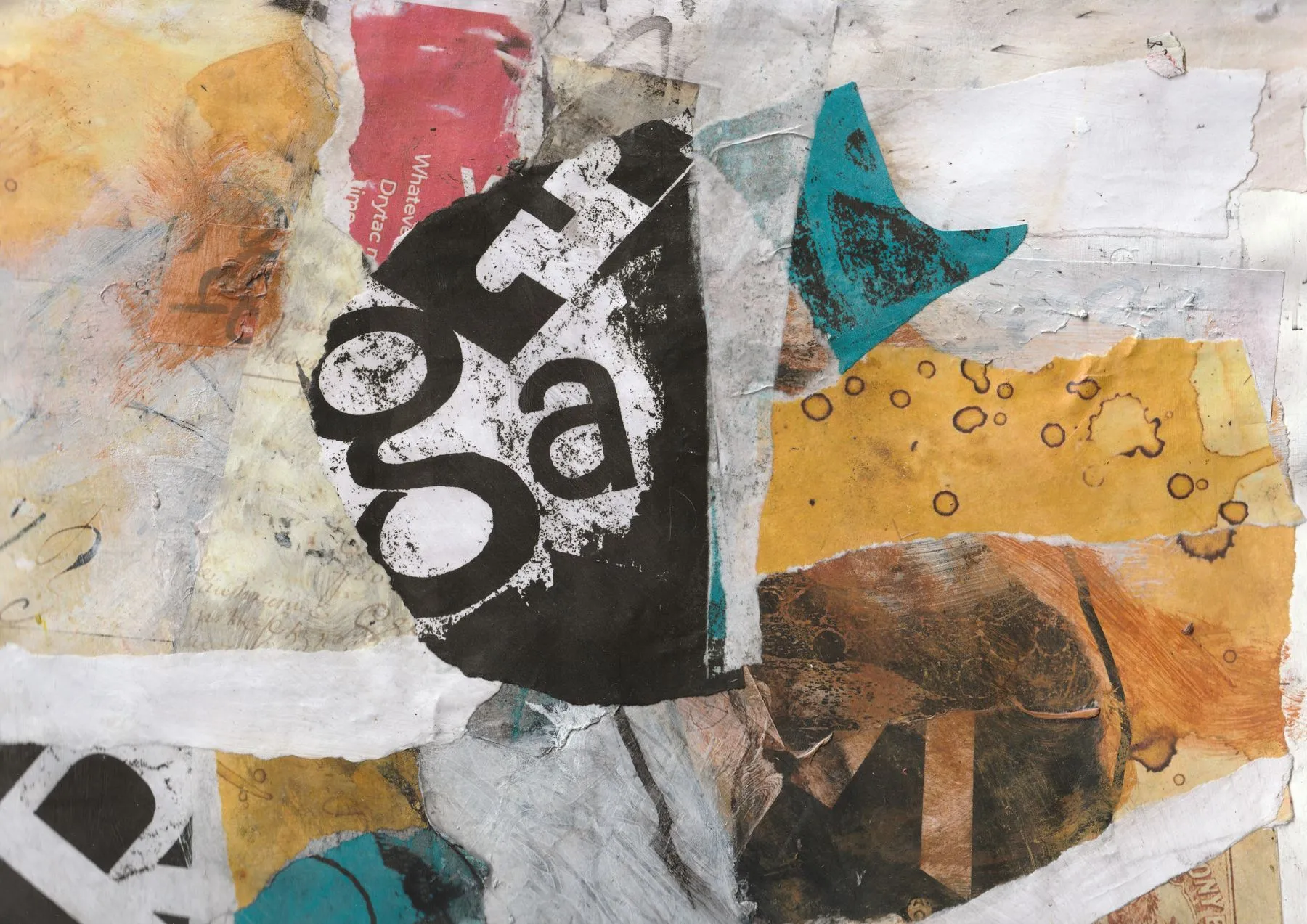
Daniel Greenfeld's work looks like collage at a distance. Close up, the method turns out to be another one entirely: the paper scraps are not stacked but placed side by side. What he makes are mosaics, and the distinction changes the logic of the whole piece.
Collage is built on layers. One piece covers another, depth accumulates, and a bad passage can always be hidden under something else. Mosaic works on a single plane. Every fragment's edge is decided by its neighbour, gaps are not allowed, and changing one piece forces changes around it. Working that way with paper imposes a discipline closer to working with stone: colour transitions come from the density of fragments rather than from mixing. The materials shift where the effect comes from, too. Paper does not catch light like tesserae, so the print texture and ragged edges of the scraps carry the surface instead.
Credits and sources
Source
- It's Nice That · 5 August 2026
This piece was written by 2C Magazine from the facts in the source above. No sentences were taken or translated from the source; the commentary is our own.
Image
Illustrative image · Photo: Mark Golding / Pexels — free licence
The image is not the subject’s own photograph; it was chosen from a free-licence archive to represent the topic. No image from the source publication was copied.
Copyright
Text © 2C Magazine, 2026. You may quote with attribution and a link; republishing in full requires permission.
hello@2cstd.com — notices are actioned within 48 hours.
Comments
Loading comments...