
Polaroid's Case for Imperfection, Made on Purpose
Patricia Varella explains how Polaroid plans beyond the quarterly campaign cycle, builds its identity on imperfection, and turned an anti-AI message into a viral hit.
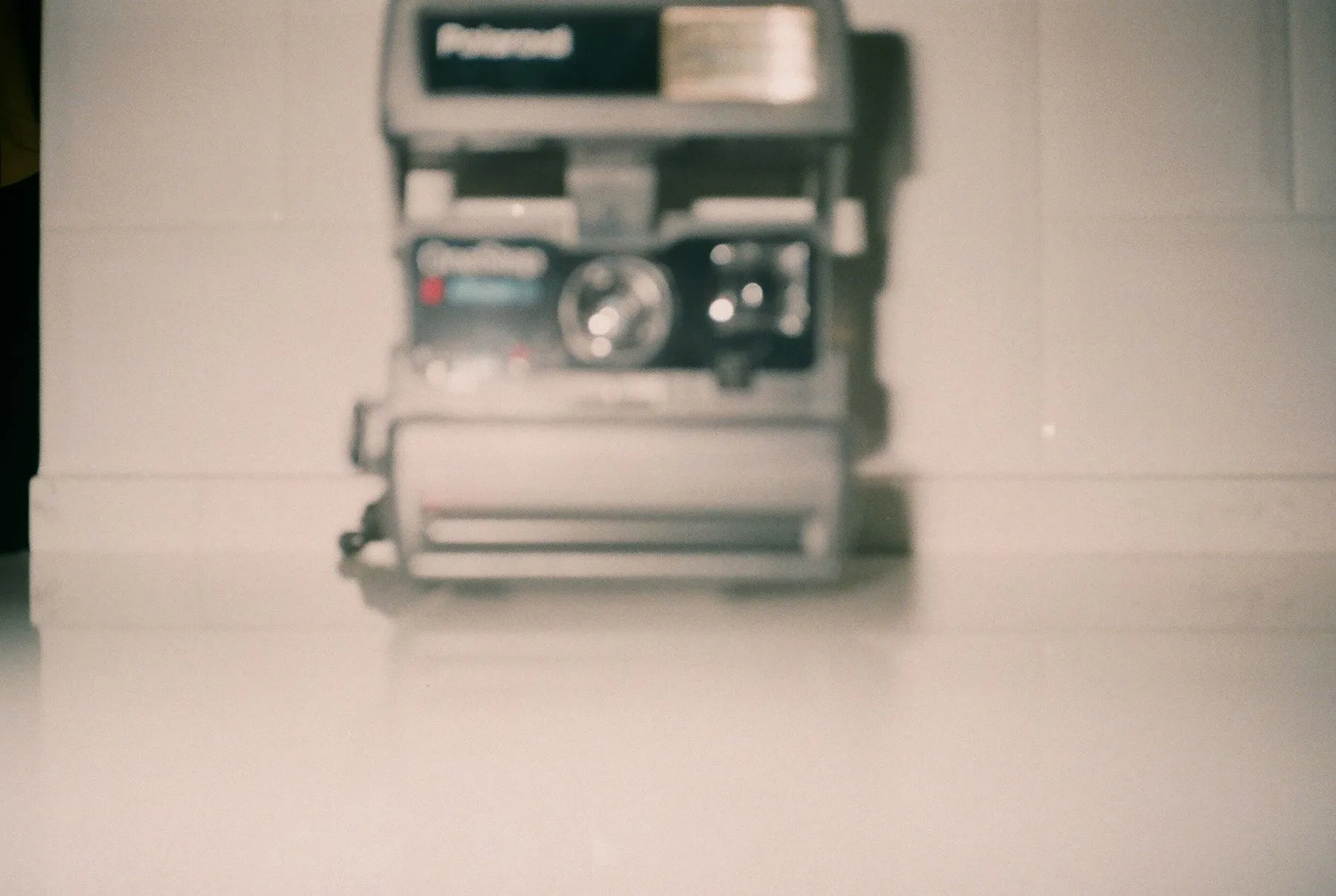
Patricia Varella's brief at Polaroid runs against the usual rhythm of brand work: plan for a long line rather than the next quarter. The identity she describes rests on imperfection, which is convenient, since the product itself delivers unpredictable colour, light leaks and frames that cannot be repeated.
Recently that identity found a sharp opposite. The brand's campaign positioning itself against AI-generated imagery went viral and drew argument, and its logic is simple enough: a generated image can be retried until it is perfect, while instant film is one attempt with no undo. The risk is structural. Defining yourself as the negative of a rival technology produces a strong campaign and a dependent narrative. The harder work, and the one Varella's emphasis on continuity points to, is explaining why an unrepeatable frame matters once the campaign has stopped trending.
Credits and sources
Source
- It's Nice That · 5 August 2026
This piece was written by 2C Magazine from the facts in the source above. No sentences were taken or translated from the source; the commentary is our own.
Image
Illustrative image · Photo: Inga Seliverstova / Pexels — free licence
The image is not the subject’s own photograph; it was chosen from a free-licence archive to represent the topic. No image from the source publication was copied.
Copyright
Text © 2C Magazine, 2026. You may quote with attribution and a link; republishing in full requires permission.
hello@2cstd.com — notices are actioned within 48 hours.
Comments
Loading comments...