
Wicker as the workshop for computational design
Prelab Design Studio in Hyderabad builds algorithmically complex geometries by hand-weaving wicker instead of relying on industrial fabrication.
Core77 reported on 29 July 2026 on the work of architect Priyanka Narula and her Hyderabad practice Prelab Design Studio, which realises computationally generated geometries in wicker. The premise is a direct question: how do you build algorithmically complex forms without the industrial infrastructure that computational design usually assumes? Narula describes the method as translating digital processes so that they can be adapted to Indian craft and material systems.
Wicker suits the task for technical reasons. It behaves like cloth, can be woven continuously and settles onto curved surfaces without fighting them. The studio describes the production as zero-waste, and because there are no moulds, changing a dimension costs nothing but weaving time. The wider implication is geographic: parametric form has generally meant five-axis milling, robotic arms or large-format printing, which concentrates fabrication in particular places. When the same geometry can be woven by hand, the distance between where a file is made and where the object is built collapses.
Credits and sources
Source
- Core77 · 29 July 2026
This piece was written by 2C Magazine from the facts in the source above. No sentences were taken or translated from the source; the commentary is our own.
Image
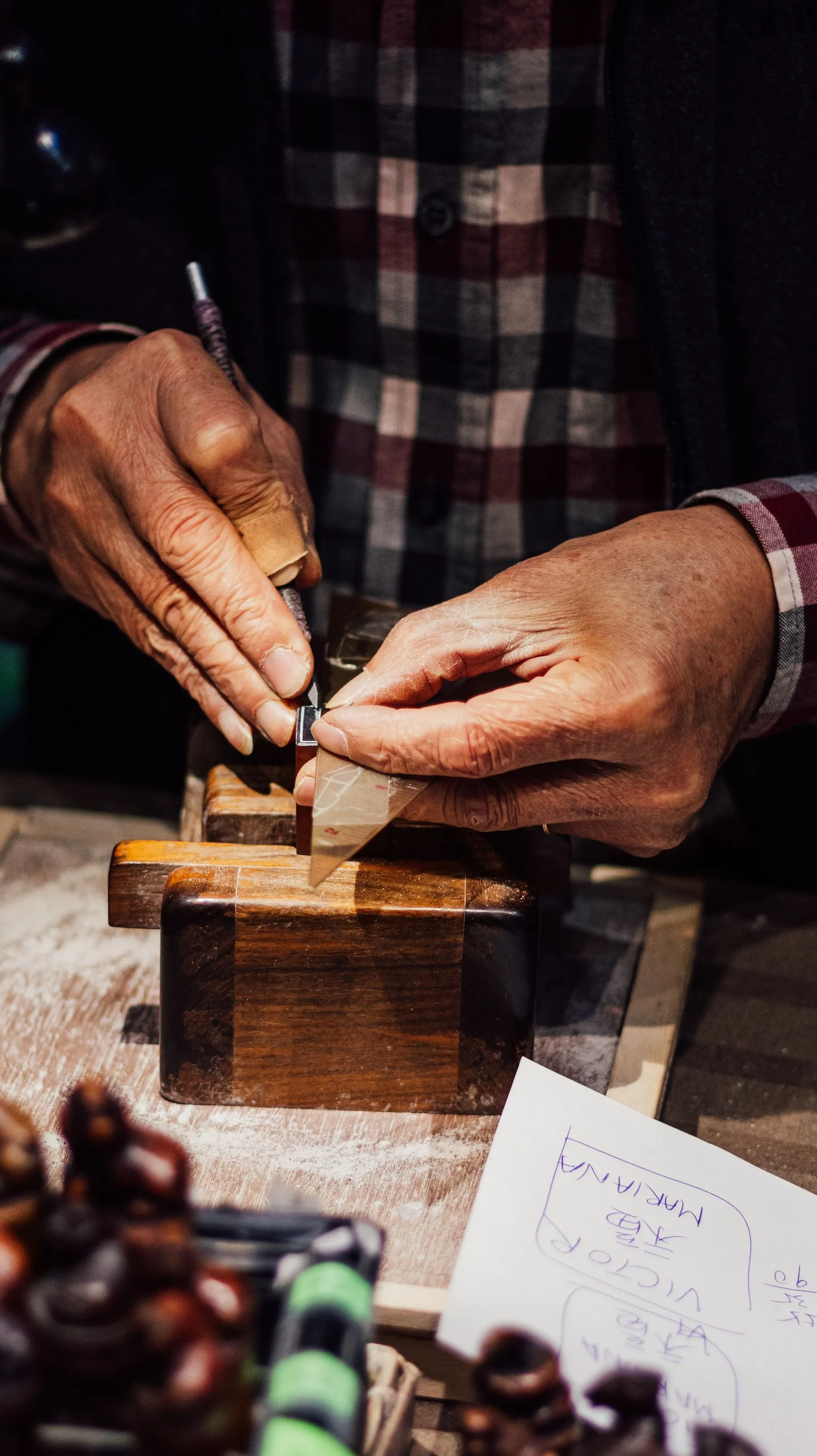
Illustrative image · Photo: Victor Lucas / Pexels — free licence
The image is not the subject’s own photograph; it was chosen from a free-licence archive to represent the topic. No image from the source publication was copied.
Copyright
Text © 2C Magazine, 2026. You may quote with attribution and a link; republishing in full requires permission.
hello@2cstd.com — notices are actioned within 48 hours.
Comments
Loading comments...